Mulebuy Spreadsheet shelves, each with the detail worth copying before anything else
Open any shelf of the product catalog below. The note under each name is what we would write down before anything else for that kind of item.
Every shelf in the catalog, with one line to record
Sixteen shelves, each opening a live category of the product catalog. Under every shelf name is the single measurement or detail we would copy onto a card first for that kind of item, because it is the one most often missing when a size or a parcel goes wrong.
 JeansCopy waist and inseam in centimeters from the size chart; the letter size alone says little.Category
 Jackets and coatsWrite chest width and back length, plus the lining or fill named in the option text.Category
 SneakersKeep the insole length in millimeters next to the EU size whenever the seller lists it.Category
 T-shirtsNote chest width and body length; a printed tee and its blank often share one listing.Category
 HoodiesKeep chest width and sleeve length; zip and pullover versions often hide in one option list.Category
 SweatpantsElastic waists list a range; write both numbers and the leg length.Category
 WomenswearThis drawer is a search, not a shelf. Record the shelf the entry itself names.Search results
 JerseysCopy the option text exactly; kits often split shirt only and shirt with shorts.Category
 BagsWrite three dimensions in centimeters; product photos rarely show scale.Category
 Caps and hatsRecord the head size range; many caps are sold as one adjustable size.Category
 BeltsWrite total length and the hole range, not only a waist size.Category
 EyewearCopy lens width, bridge and temple length when the listing prints them.Category
 JewelryWrite the metal and plating exactly as the seller describes them, plus chain length.Category
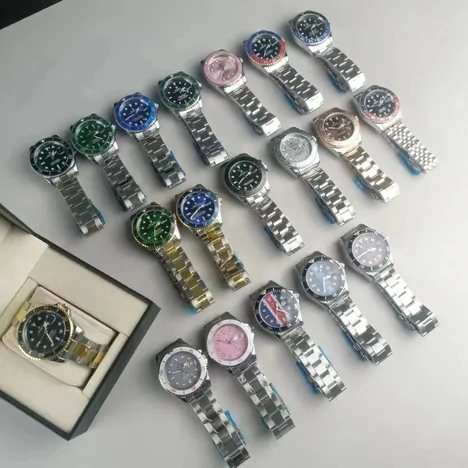 WatchesKeep case diameter and strap width; dial close-ups hide the real size.Category
 PerfumeLiquids are refused on many shipping lines; note the volume and check before buying.Category
 ElectronicsWarehouse checks usually skip power-on tests; note the plug type and model text.Category
How the shelves are sorted
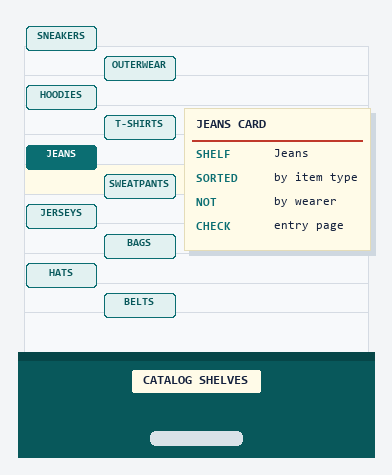
The catalog groups entries by what the item is: footwear, tops, bottoms, outerwear, bags and accessories, then perfume and electronics as their own shelves. A hoodie sits under tops, a puffer under outerwear, a pair of joggers under bottoms. The drawers on our home page pull eight of these shelves forward; this page shows all of them.
Womenswear works differently. The catalog sorts by item type rather than by who wears it, so that drawer runs a search for women's items across every shelf. The results are useful, but they are a keyword match, and the first screen can lean heavily toward one kind of item. Treat it as a starting point and switch to the item-type shelf once you know what you want.
Shelves are filled from seller listings, and sellers sometimes file an item in the wrong place: a backpack listed among perfumes, a banner image sitting on a sneaker shelf. The entry page and its photos are what count. If the shelf and the entry disagree, write the shelf the entry names on your card, not the drawer you came from.
Reading a shelf card before you open it
A shelf shows each entry as a photo, a title and a starting price. The price shown first is usually the lowest option. The jeans entry we opened on October 20, 2026 read 220 to 270 yuan, and which end you pay depends on the option you pick. Open the entry before you decide anything.
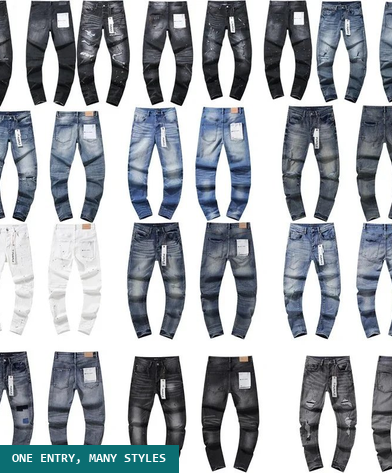
Many entries are collections: one listing that sells several styles, washes or colorways, photographed together. The photo on the shelf card may show six pairs of jeans when the listing will send you one, chosen from an option list written in Chinese. That option text is the most important line on the whole card, and copying it word for word is the safest habit.
The shelf card also shows how an entry is labelled, which can include a brand field. That field comes from the listing data and is often empty or set to an unknown brand. It tells you how the entry was tagged, nothing more, so it never replaces reading the photos and the option list yourself.
When a shelf card looks promising, open it in a new window, keep the shelf in the old one, and start a card as soon as the entry page loads.
Search words that pull the right entries
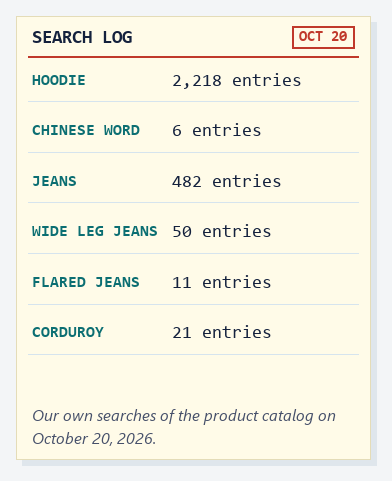
Entry titles in the catalog are written in English, so English search words do most of the work. We ran a few searches on October 20, 2026 to see how much the wording changes the result:
- hoodie returned 2,218 entries; the Chinese word for hoodie returned six.
- jeans returned 482, wide leg jeans returned 50 and flared jeans returned 11.
- corduroy found 21 entries across shirts, caps and trousers.
Two habits follow. Start broad and add one word at a time, because a three-word search can drop from hundreds of entries to a handful. And when a search turns up the item you want, write the search words on the card too; they are the quickest way back to similar entries if the first listing disappears.
Counts like these move every day as entries are added and removed, so read them as an example of scale rather than a fixed figure.